
Operations
Perfecting the Hot Dog Price for Winning Margins
Discover strategic insights and practical tips to set hot dog prices at concession stands, ensuring optimal profitability and community satisfaction.
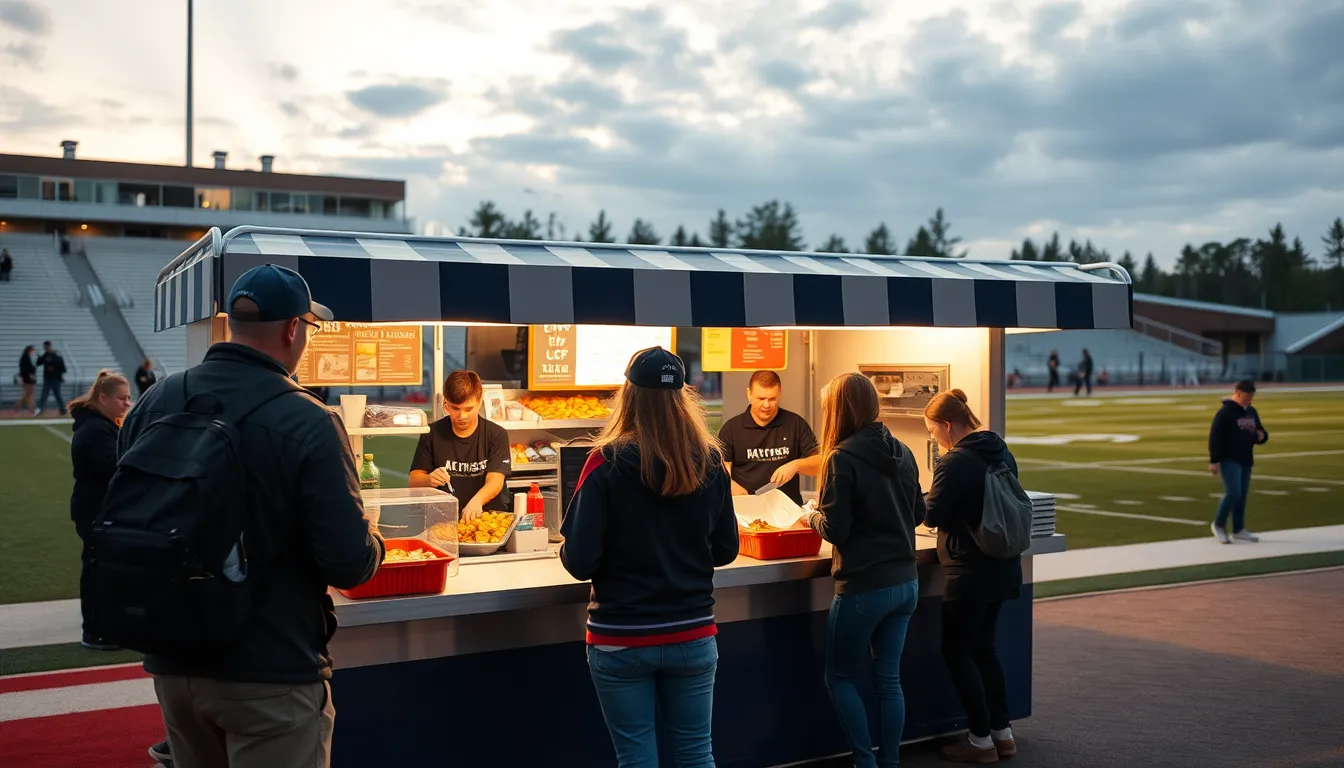
Pricing hot dogs at your school or community concession stand is no small feat. Set prices too high, and you risk scaring off potential buyers; set them too low, and you could miss out on crucial fundraising dollars. Let's dive into crafting a hot dog pricing strategy that achieves the ideal balance between profitability and affordability.
Understanding the Basics of Hot Dog Pricing
Pricing isn't solely about covering costs—it's about understanding your audience, the competition, and what your stand hopes to achieve financially. Here’s how we break it down:
Cost of Goods Sold (COGS)
Start with the fundamentals. Calculate how much each hot dog costs to produce, including the bun, dog, condiments, and any packaging. For example, if each serving costs you $0.90, this becomes the baseline for your pricing.
Competitive Analysis
Your pricing should consider local market standards. According to Streetfoodpro.com, prices for a basic hot dog vary but typically range from $2 to $3. Don’t forget to look into what competitors are doing at similar events in your area.
Profit Margin
A healthy profit margin ensures that you meet your fundraising goals. Aim for a margin of at least 50%-70%. For instance, setting a price of $3.00 for a hot dog that costs $0.90 to make gives a profit of over 60%.
Pricing Strategies for Success
Now, let’s refine your strategy with these targeted approaches:
Inclusive Pricing
Consider offering a single, inclusive price that covers all condiments, toppings, and fixings. Studies show that customers often prefer an all-inclusive price over incremental upsells, as highlighted on Streetfoodpro.com. This transparency can boost sales and enhance customer satisfaction.
Bundle Deals
Offer bundle deals to increase perceived value. For example, combine a hot dog with a drink and chips at a slightly discounted rate than if they were purchased separately. This strategy not only increases the average transaction value but also appeals to a budget-conscious audience.
Psychological Pricing
Implement psychological pricing strategies such as rounding prices to the nearest dollar for simplicity or utilizing charm pricing (e.g., $2.99). However, consider ease of transaction; for a volunteer-run stand, rounded prices can simplify cash handling and reduce errors.
Tips for Effective Pricing Implementation
Know Your Audience: Based on demographics, adjust prices to resonate with your audience’s spending capabilities. For instance, parents might be willing to pay more at a youth sports event, knowing the proceeds support the local team.
Event-Specific Pricing: Leverage high-attendance events to adjust prices. While you’ll need to maintain community trust, it’s possible to ask for slightly more during major games or tournaments.
Communicate Value: Clearly communicate why your pricing supports the fundraising goals. Signage explaining that proceeds support school programs can encourage customers to spend a bit more generously.
Practical Checklist for Game Day
- Set Up Efficiently: Ensure that condiments are easily accessible to speed up service.
- Staff Training: Make sure volunteers understand the pricing strategy and can explain bundle deals.
- Monitor Inventory: Keep a close eye on stock levels to prevent overbuying or running short.
- Feedback Loop: After the event, debrief to evaluate what pricing strategies worked and adapt for future events.
Conclusion
Setting the right price for hot dogs at your concession stand is more strategic than it may initially appear. It requires understanding costs, audience preferences, and the broader competitive landscape. By implementing these strategies, you can maximize profitability while keeping community satisfaction high.
Feeling overwhelmed with long lines or limited volunteer capacity? Consider ScoreGrub, which simplifies order taking right from the sidelines, streamlining operations for you.
Begin implementing these strategies at your next event, and watch your margins—and community support—grow!