
Operations
Navigating Homemade Goods Policies for School Concession Stands
Discover how to comply with district policies on selling homemade goods at school concession stands. Learn key rules, safety tips, and soft-selling strategies.
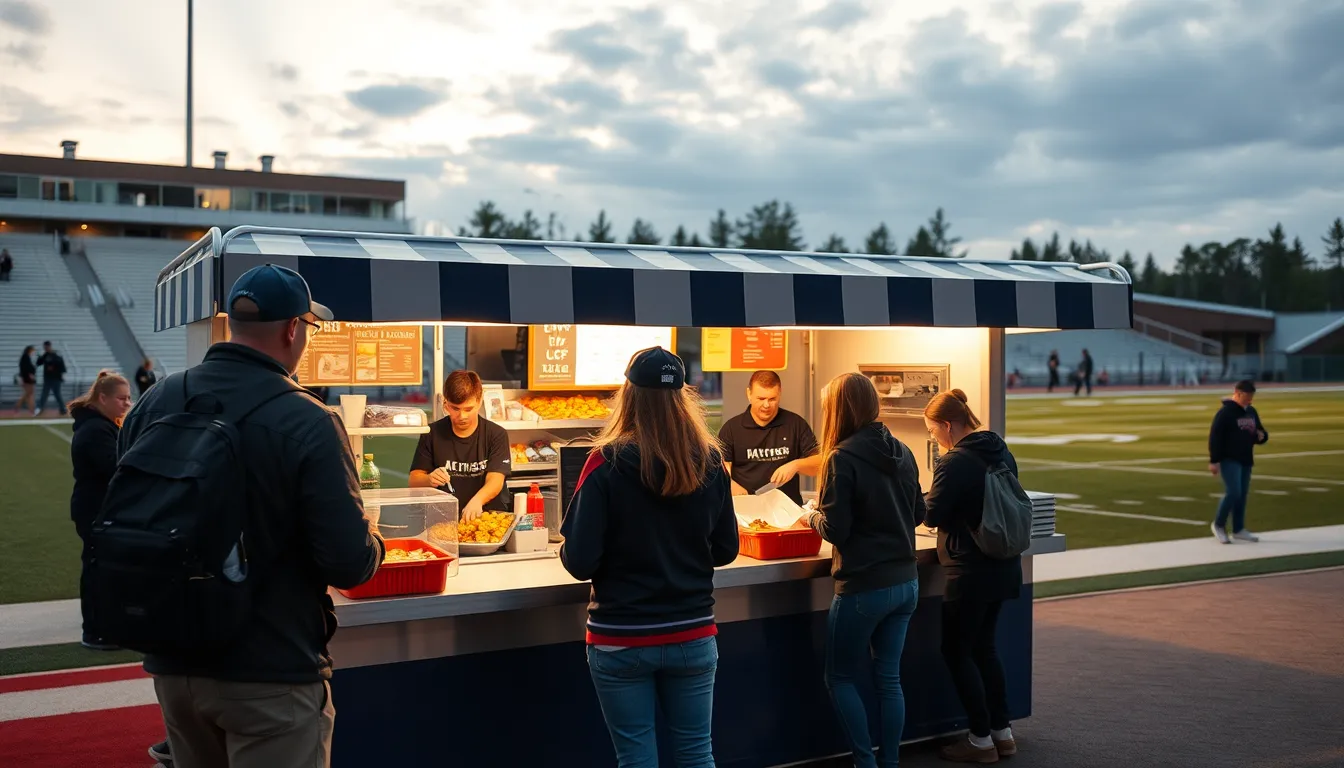
When running a school concession stand, the allure of selling homemade goods like cookies and brownies can be tempting. They're often cheaper to produce, and they bring a warm, personal touch to fundraising events. However, homemade goods come with a set of regulations and guidelines that must be followed to ensure compliance and safety.
Understanding Homemade Goods Policies
Navigating the policies surrounding the sale of homemade goods at school concession stands is essential. These policies are often governed by district guidelines and local health department regulations, sometimes referred to as "cottage food laws."
Key Considerations
- Check Your State's Guidelines: Cottage food laws vary by state, determining what types of homemade foods can be sold. For example, while baked goods like cookies and breads are generally allowed, items requiring refrigeration might not be.
- Health and Safety Compliance: All food products must adhere to health and safety standards, which might include labeling requirements with ingredients, allergens, and more. Understand the specific labeling laws in your area.
- Permit Requirements: Determine whether you need to obtain any specific permits. In some regions, even non-hazardous food items require a simple permit.
Safety First: Food Handling Best Practices
Even under the umbrella of homemade goods, safety is paramount. Here’s how you can ensure the items you sell are safe:
Best Practices Checklist
- Sanitize Cooking Areas: Ensure that the area where food is prepared is clean. This means regular disinfection of all surfaces.
- Proper Packaging: All items must be appropriately packaged to prevent contamination during transport and selling.
- Allergen Information: Clearly label any allergens on your products. Common allergens include nuts, dairy, and gluten.
- Educate Volunteers: Ensure that all stand volunteers are aware of food handling practices and the importance of hygiene.
Managing Homemade Goods on Game Day
With compliance and safety in mind, organizing your concession stand for a game day is essential to efficiency and customer satisfaction.
Game Day Tips
- Set Up an Organized Display: Display homemade goods in an attractive manner for easy browsing while maintaining hygiene standards.
- Streamlined Checkout Process: Utilize cash handling protocols for speed and accuracy. Consider solutions like ScoreGrub for optimized order handling and reduced congestion at your stand.
- Volunteer Roles Distribution: Assign specific roles to volunteers to ensure smooth operation.
Reduce Waste and Maximize Sales
- Accurate Demand Forecasting: Estimate the quantity required based on past sales data to minimize waste.
- Use Eco-Friendly Packaging: Invest in biodegradable packaging options that appeal to environmentally conscious customers.
Conclusion: A Simple, Compliant, and Profitable Approach
Navigating the sale of homemade goods in school concession stands requires careful attention to regulations and best practices. Prioritize safety, manage volunteer efforts effectively, and introduce systems to streamline processes. By doing so, you not only ensure compliance but also maximize profits and enhance the overall efficiency of your concession operations.
Consider integrating tools like ScoreGrub to reduce lines and improve your ordering flow, turning your gourmet home treat journey into a sweet success story. If managing digital and homemade flows isn't your style yet, start small, ensuring compliance and quality, and let your community’s appetites guide future decisions.
Remember, a happy, returning customer is the best endorsement for your next game day.