
Operations
Do You Need a Food Safety Permit for Your Concession Stand?
Understand when a food safety permit is necessary for your concession stand to ensure compliance and minimize legal risks. Learn the basics and how to operate smoothly.
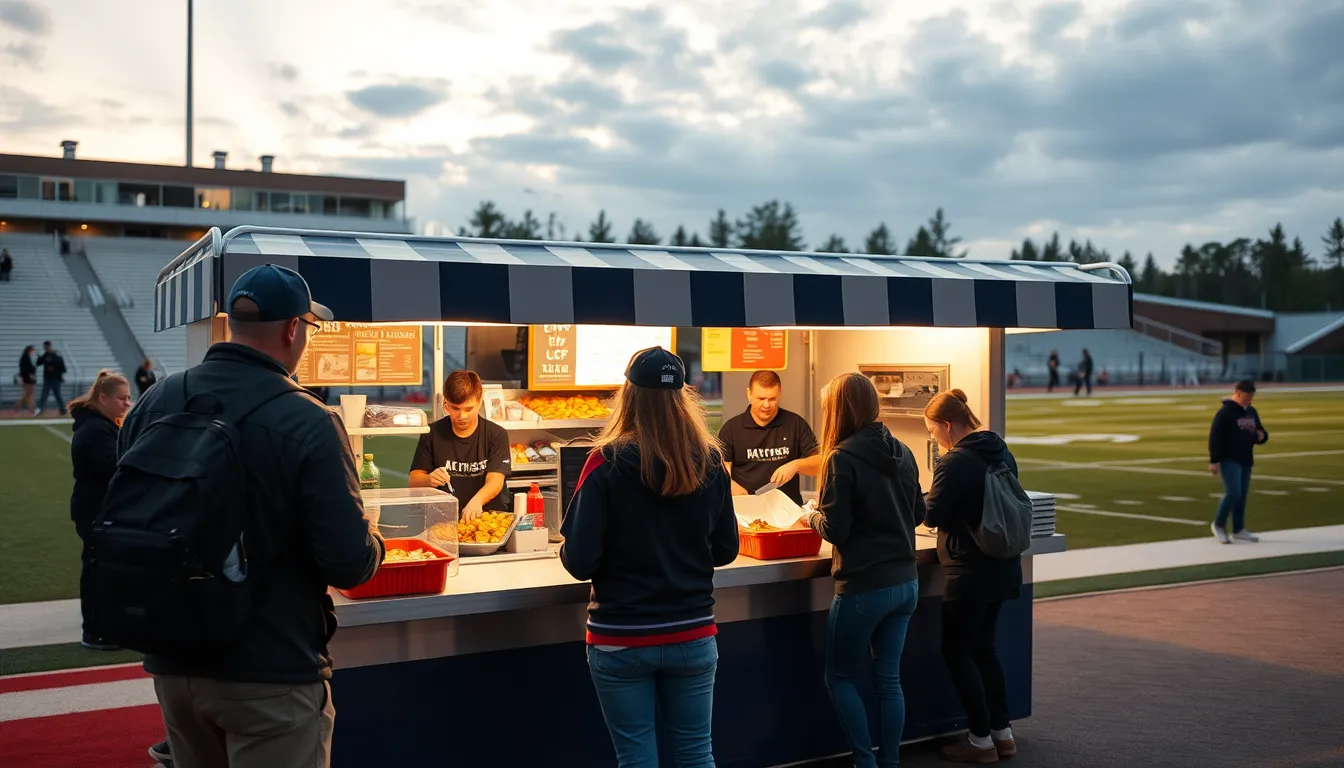
Running a concession stand is a rewarding way to support your local sports teams and school events. But before you start sizzling those hot dogs or scooping nachos, it's important to understand the legal requirements, particularly concerning food safety permits. This guide will help you determine whether your stand needs a food safety permit and how to secure one if necessary.
Understanding Food Safety Permits
A food safety permit is an official document issued by your local health department. It authorizes the operation of establishments that prepare or sell foods that need careful handling to avoid contamination. Here's the catch: not all concession stands require this permit.
When is a Permit Required?
The need for a food safety permit depends largely on the types of foods you plan to sell. Here's a breakdown:
- Pre-Packaged Foods: If your stand primarily offers pre-packaged items such as chips, bottled drinks, or candy, you typically do not need a food safety permit. This is because your volunteers handle the packaging rather than the food itself.
- Prepared Foods: This includes burgers, hot dogs, or any food requiring preparation and handling. For these items, a food safety permit is usually necessary. This ensures that the food is prepared safely to prevent any health risks.
State and Local Flexibility
It's crucial to consult your local health department as requirements can vary by location. Some states offer exemptions for non-profit organizations, like school booster clubs, even if they serve prepared foods. Additionally, temporary food establishments, which operate for short durations, might have different permitting needs.
Steps to Obtain a Food Safety Permit
- Contact Your Local Health Department: Your first step should be reaching out to understand specific requirements in your area. They can provide guidance on application processes and inspection details.
- Complete Required Training: Many regions require at least one employee or volunteer to complete a food safety certification course. These can often be completed online and in a few hours.
- Submit an Application: Once you understand the requirements, submit your application, which may include fees based on your annual sales volume.
- Prepare for Inspections: Before receiving your permit, you might need to pass an inspection to ensure compliance with food safety regulations.
Preparing Your Concession Stand
Whether you need a permit or not, prioritizing food safety is essential. Here are some tips:
- Train your volunteers in basic food safety practices.
- Ensure that your concession stand has the necessary facilities for safe food preparation, like clean water and refrigeration.
- Regularly clean and sanitize all surfaces.
- Properly label all allergenic ingredients to inform and protect your customers.
The Role of Certification
Even if a food safety permit isn't required, consider having at least one volunteer complete a food safety course. This education helps in applying best practices, ensuring your stand operates correctly and reduces liability risks.
Streamlining Operations with ScoreGrub
When managing a concession stand, balancing customer service with compliance can be challenging. This is where ScoreGrub shines, offering an easy way to manage orders without the chaos at the counter. Plus, having a system in place that simplifies transactions and order management can help you focus more on complying with local health guidelines. Learn more at ScoreGrub.
Conclusion
Ensuring your concession stand complies with food safety regulations is crucial for smooth operation. By understanding when a permit is necessary and implementing basic safety measures, you can focus on what truly matters: supporting your community through your stand. If you're unsure about local requirements, your local health department is your best resource for personalized advice.
Get ahead of the next game day by prioritizing food safety—your community (and your volunteers) will thank you!