Operations
Do I Need a Food Safety Permit for Homemade Goods?
Discover the essentials of food safety permits for selling homemade baked goods at school events. Learn the steps to ensure compliance and safety while raising funds.
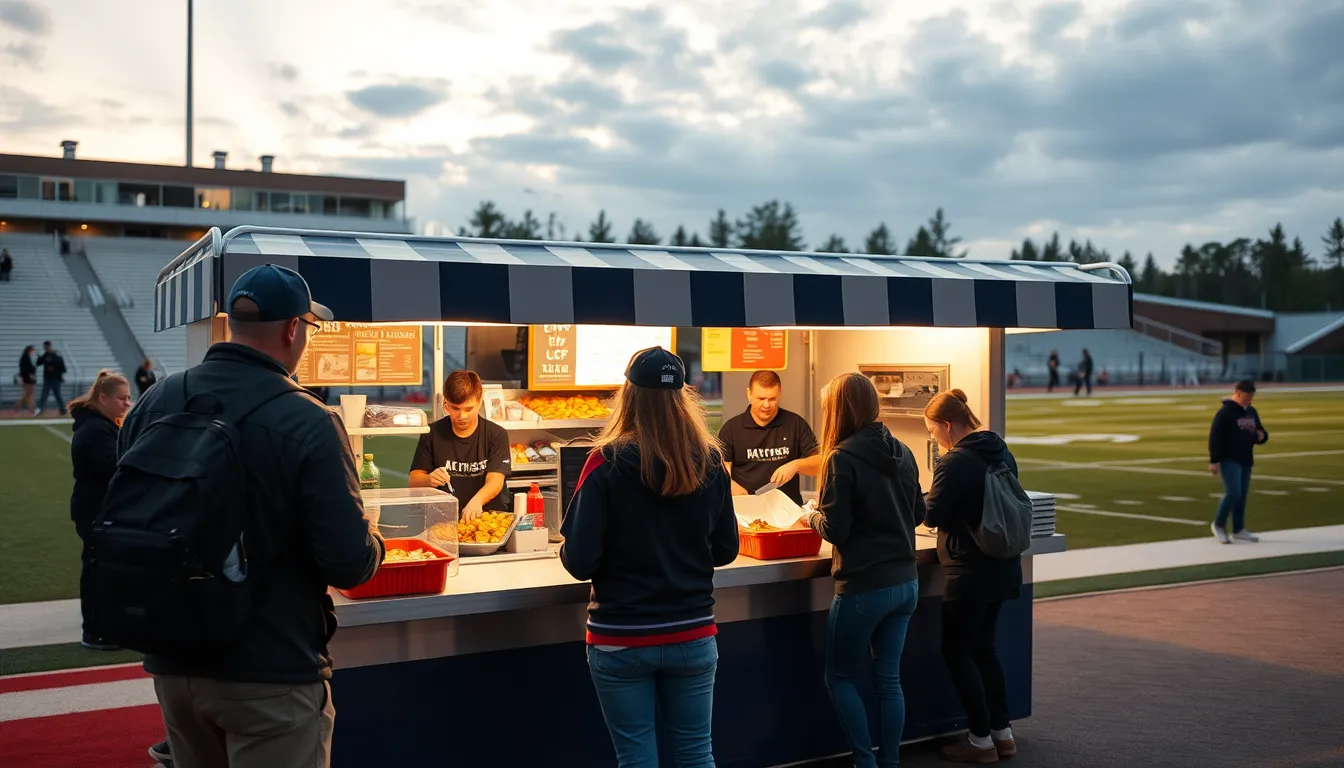
When running a school event or sports concession stand, selling homemade baked goods can be a heartwarming and effective fundraising solution. However, it's crucial to navigate the regulations related to food safety permits for homemade goods. This guide will help you understand what you need to get started and how to ensure food safety.
Understanding Food Safety Permits
What is a Food Safety Permit?
A food safety permit is a certification required by local health departments to ensure that the food being sold to the public is safe to consume. This involves adhering to proper safety practices and potentially having your preparation area inspected.
Do You Need a Permit for Homemade Goods?
The need for a food safety permit largely depends on your location and the nature of your event. Here are some general guidelines:
- Cottage Food Laws: Many states in the U.S. have cottage food laws that allow individuals to prepare and sell certain types of low-risk foods from their homes without a permit. You typically need to comply with registration and labeling requirements.
- Public Events: If your event is open to the public and advertised, there is a stronger chance you will need a temporary food establishment permit.
- School Events: For events within schools, check your school district’s rules. Some may have specific guidelines for parent-donated goods, possibly requiring permits.
Steps to Obtain a Permit
1. Check Local Regulations
Each county or state has different requirements. Contact your local health department to understand the specific regulations applicable to homemade goods in your area.
2. Complete Required Training
In some states, you might need to complete food safety training. This ensures you understand best practices for preparing and handling food safely.
3. Register Your Event
For many school events, registering your event with your local health department can streamline the permit process and give you access to additional support and materials.
Best Practices for Food Safety
Keeping food safe is about more than just permits. Here are some best practices:
- Proper Labeling: Clearly label all homemade goods with ingredients and potential allergens.
- Temperature Control: Ensure that all perishable items are kept at correct temperatures to avoid health risks.
- Sanitary Preparation: Prepare all items in a clean environment, using sanitized tools and surfaces.
Streamlining the Concession Stand Operation
Implementing these practices might sound daunting if you're short on time. That's where tools like ScoreGrub can simplify operations. Using ScoreGrub can save time by helping you manage orders digitally, ensuring a smooth transaction process and happy customers.
Conclusion
Balancing fun and fundraising means staying compliant with food safety laws. Always check your local guidelines, obtain the necessary permits, and follow best practices for food preparation and labeling. Empower your volunteers with the right tools, and your concession stand will be a success.
Call to Action: Ready to make your next school event a triumph? Stay informed, follow our guidelines, and consider integrating digital solutions like ScoreGrub to make your concession stand operations seamless and efficient.